
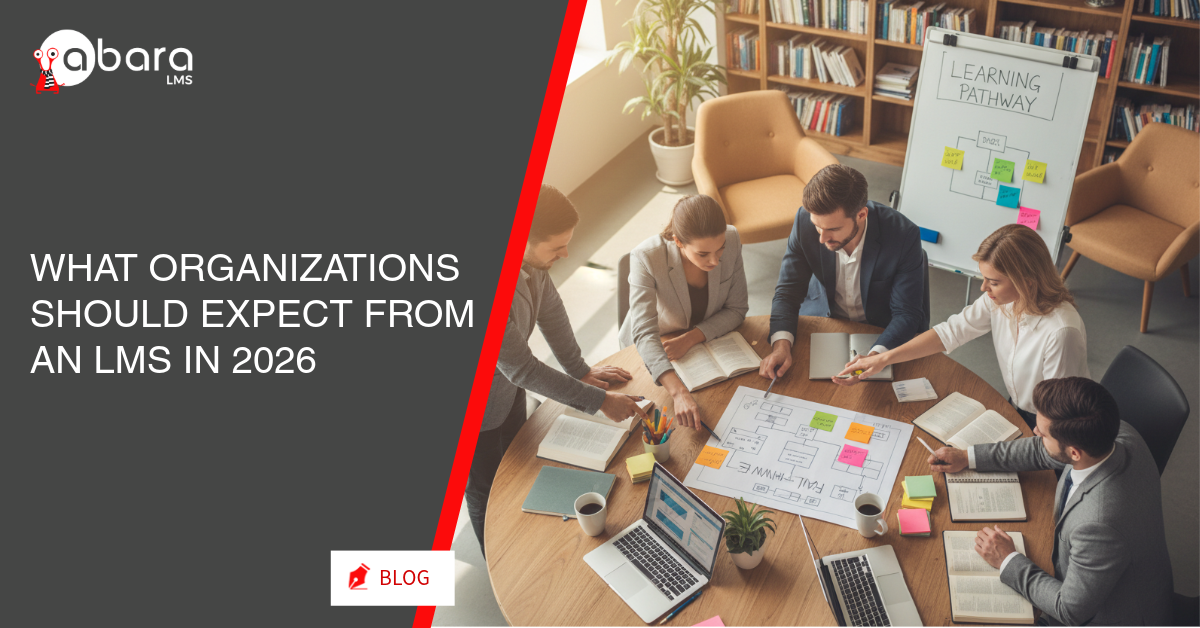
A skills-first learning strategy requires more than a platform that manages courses. Today’s organizations need an LMS that helps develop capabilities, delivers personalized learning experiences, and provides meaningful insights into workforce readiness. As learning becomes increasingly aligned with business strategy, the LMS must support employees throughout their learning journey while giving L&D teams the tools to measure and improve outcomes.
On this Page
Personalized Learning Experiences
Employees have different roles, career aspirations, and learning preferences, making a one-size-fits-all approach ineffective. Modern LMS platforms enable organizations to create personalized learning journeys based on job roles, competencies, previous learning activity, and future career goals. This ensures learners receive relevant training that helps them build the skills needed to succeed while keeping them engaged throughout their development.
Building these personalized learning journeys becomes much easier with Abara LMS’s Course Creation & Management capabilities. Learning teams can design structured pathways that combine self-paced modules, instructor-led sessions, assessments, and certifications into a cohesive learning experience. This flexibility ensures employees develop the right skills at the right stage of their careers while reducing administrative effort for L&D teams.
AI-Powered Learning Recommendations
Artificial intelligence is transforming the way employees discover and engage with learning. Rather than searching through extensive course libraries, learners increasingly expect recommendations that align with their roles, skill requirements, and career aspirations.
As AI continues to shape workplace learning, intelligent recommendations are becoming a core capability of modern LMS platforms. Instead of replacing learning professionals, AI enables them to deliver more relevant and personalized learning experiences at scale. By recommending appropriate content at the right time, organizations can encourage continuous learning while helping employees build skills that support both individual growth and business priorities.
Skills Visibility Through Learning Analytics
Learning data has become one of the most valuable assets for HR and business leaders. Modern analytics extend far beyond completion reports, providing insights into learner engagement, certification status, competency development, and organization-wide skill trends.
These insights enable HR and business leaders to make informed workforce decisions, identify emerging skill gaps, and measure the real impact of learning initiatives. As organizations increasingly adopt skills-based talent strategies, learning analytics become a critical tool for connecting employee development with business performance and long-term workforce planning.
Supporting Every Stage of Workforce Development
One of the biggest advantages of a modern LMS is its ability to support learning across different audiences without compromising consistency or learner experience. Whether you’re onboarding new hires, developing leaders, training customers, or enabling channel partners, the platform should adapt to the unique needs of every learner while maintaining a unified learning strategy.
For employees, skills-based learning creates structured pathways for onboarding, role-specific development, leadership training, and continuous upskilling. Organizations looking to modernize workforce development can explore Employee Training LMS solutions that deliver personalized learning journeys aligned with business objectives and long-term career growth.
Sales teams also benefit from continuous, skills-focused learning. As products evolve and customer expectations change, sales professionals need ongoing access to product knowledge, competitive insights, and practical selling techniques. A dedicated Sales Team Training LMS helps reinforce these capabilities through continuous learning rather than one-time certification programmes.
Compliance training remains equally important, particularly in regulated industries. However, compliance should no longer be viewed as a standalone training activity. Modern organizations are integrating mandatory learning into broader skills development initiatives, enabling employees to remain compliant while continuously building professional capabilities. Businesses managing regulatory requirements can benefit from Compliance Training LMS solutions that combine certification tracking with engaging learning experiences. If you’re exploring this area further, our blogs on Why Oil & Gas Companies Need a Compliance-Focused LMS and How an LMS Simplifies Certification & Compliance in Oil & Gas provide practical examples of how learning technology supports industry-specific compliance requirements.
The same approach extends beyond internal teams. Customer education programmes help users adopt products faster and maximise value, while channel partner training ensures distributors and resellers remain aligned with evolving products, services, and brand standards. Solutions such as Customer Training LMS and Channel Partner Training enable organizations to deliver consistent, scalable learning experiences to external audiences while maintaining quality and brand consistency.
Organizations adopting a blended learning strategy can also read Integrating Digital and In-Person Training for Maximum Impact, which explores how combining classroom instruction with digital learning creates more engaging learning experiences while supporting continuous skill development. Similarly, Upskilling and Career Growth: How Organizations Build Future-Ready Workforces highlights why continuous learning has become a strategic priority for businesses preparing for the future of work.
Preparing Your LMS for the Future of Work
As organizations embrace skills-based learning, their learning platforms must be flexible enough to evolve alongside changing business needs. New roles, emerging technologies, and evolving workforce expectations require an LMS that can scale without adding complexity for learners or administrators.
A future-ready platform should make it easy for L&D teams to create, update, and manage learning content as business priorities change. With Abara LMS’s Course Creation & Management capabilities, organizations can quickly build role-based learning programmes, update existing content, and deliver engaging learning experiences without lengthy development cycles.
As learning expands beyond employees to customers, partners, and global teams, maintaining a consistent brand experience also becomes increasingly important. A White-Label LMS enables organizations to customize the platform with their own branding, creating a seamless learning environment that strengthens trust and reinforces brand identity across every audience.
For businesses replacing legacy learning systems, a successful transition is just as important as selecting the right platform. Services such as LMS Setup & Data Migration and Course Testing & Migration help preserve historical learning records, validate content, and minimise disruption, allowing learners to continue their development without interruption.
Organizations that are still managing training through spreadsheets or disconnected systems may also benefit from reading From Excel Sheets to LMS: Digitizing Training for Small Businesses, which explores how digital learning platforms simplify administration while laying the foundation for continuous, skills-based learning.
Ultimately, investing in a modern LMS is not simply about replacing technology. It is about creating a learning ecosystem that can adapt to future business challenges, support workforce development, and enable continuous improvement across the organization.
The Future of Learning Is Skills-First
Skills-based learning is no longer an emerging trend; it is becoming the foundation of modern workforce development. As AI, automation, and evolving business priorities continue to reshape industries, organizations are moving beyond traditional training models to build adaptable, future-ready teams.
A modern Skills-Based Learning LMS plays a central role in this transformation. By combining personalized learning, AI-powered recommendations, learning analytics, certifications, and blended learning experiences, organizations can create a continuous learning culture that equips employees with the skills they need today while preparing them for the challenges of tomorrow.
This approach also strengthens broader talent strategies. As discussed in our blog, Upskilling and Career Growth: How Organizations Build Future-Ready Workforces, continuous skill development helps organizations improve employee engagement, strengthen internal mobility, and build a resilient workforce that can adapt to changing business demands. When learning is aligned with business goals, it becomes a powerful driver of long-term organizational success rather than simply a training initiative.
Conclusion
The shift to skills-based learning is redefining what organizations expect from their Learning Management System. Today’s LMS must do more than deliver courses or track completions. It should help identify skill gaps, personalize learning experiences, support continuous development, and provide meaningful insights that connect learning with business outcomes.
Whether you’re developing employees, enabling sales teams, managing compliance programmes, educating customers, or supporting channel partners, choosing the right LMS can create lasting value for both learners and the business. Investing in a platform that supports a skills-first approach ensures your workforce remains agile, engaged, and ready to succeed in an increasingly dynamic business environment.
If you’re looking to modernize your learning strategy, Abara LMS provides the flexibility, scalability, and intelligent learning capabilities needed to support skills-based learning in 2026 and beyond. Contact Us to discover how you can build a future-ready workforce through engaging, personalized, and measurable learning experiences.